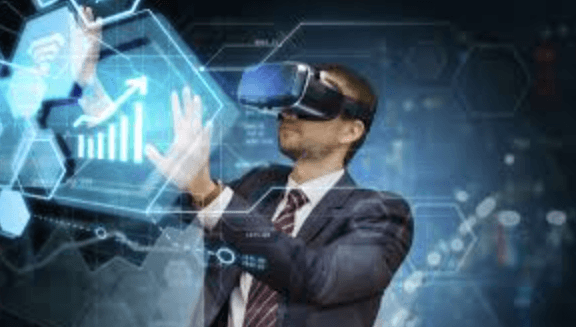
The future of mixed reality solutions lies in blending real-world context with layered guidance that augments human work without replacing it. Advances in sensing, edge AI, and lightweight devices enable privacy-aware, adaptive interfaces that respect user autonomy while guiding decisions, collaboration, and training. MR will be practical, ethical, and interoperable by design, scaling across sectors to boost safety and efficiency. A disciplined roadmap and governance will shape outcomes as contexts evolve, inviting stakeholders to align and act on shared priorities.
What Mixed Reality Is Now and Where It Fits
Mixed reality today sits at the crossroads of digital and physical experience, blending real-world context with layered virtual information to augment—not replace—human work.
It enables immersive interfaces and perceptual computing to guide decision-making, collaboration, and training.
The field remains practical and evolving, aligning stakeholder needs with scalable deployments, open ecosystems, and measurable value, while preserving user autonomy, creativity, and freedom to adopt thoughtfully.
Core Technologies Driving MR’s Future
To anticipate MR’s trajectory, the core technologies shaping its future center on sensing, computing, and interaction modalities that blend seamlessly with real-world context. Sensors, edge AI, and lightweight processing enable immersive experiences with privacy-aware, adaptive interfaces.
Emphasis on edge case considerations and ethical frameworks guides development toward interoperable, secure, user-centric solutions that respect autonomy while advancing practical, scalable enhancements for stakeholders.
Real-World Use Cases by Sector
The integration of real-world contexts into mixed reality solutions is already reshaping sector-specific workflows, with practical deployments that align technology capabilities to tangible outcomes.
In manufacturing and logistics, MR accelerates production planning and enhances on-site decision accuracy.
For workforce deployment, virtual guidance and remote collaboration reduce travel, boost safety, and unlock scalable, flexible operations across facilities and supply chains.
How to Plan a Practical MR Strategy for 2026 and Beyond
Strategic planning for mixed reality in 2026 and beyond hinges on clear objectives, measurable outcomes, and disciplined execution that aligns technology choices with real-world needs.
The approach emphasizes pragmatic roadmaps, stakeholder alignment, and flexible governance.
It integrates policy and guidance to ensure ethical, scalable deployments, invites feedback from diverse users, and preserves freedom to adapt as contexts evolve, sustainably advancing immersive solutions.
Frequently Asked Questions
What Regulatory Hurdles Could Impact MR Deployments Globally?
Regulatory hurdles could shape global deployments, demanding robust compliance frameworks and clear cross border enforcement, while balancing innovation and freedom; stakeholders pursue pragmatic, visionary governance that supports safe adoption, scalable privacy, and accountable responsibility across connected MR ecosystems.
How Will MR Integrate With Rising AI and Automation Ecosystems?
A bridge emerges between AI and MR, guiding seamless integration challenges toward scalable adoption. The approach centers on user centric design, empowering stakeholders while preserving freedom, as integration challenges are mitigated and efficiency grows within evolving automation ecosystems.
What Are the Long-Term Ethical Implications of MR in Daily Life?
Long-term ethical implications of MR in daily life include privacy erosion and contested data ownership, demanding robust governance. A visionary, pragmatic stance protects freedom, prioritizes stakeholder trust, and anchors innovations in transparent consent, accountability, and equitable access.
See also: The Future of Mixed Reality Applications
Which Small-Scale MR Innovations Could Disrupt Larger Markets?
An anachronistic “flintphone” flickers as tiny wearables and ambient displays disrupt markets; agile MR innovations shrink barriers, enabling seamless decision-making. Stakeholders gain freedom, while developers optimize adoption, compliance, and scalability to unlock cross-industry value and resilience.
How Will Mr’s Energy Consumption Evolve in Wearable Devices?
Energy efficiency will improve gradually as battery tech advances, enabling lighter wearables with longer lifespans; stakeholders prioritize practical gains, balanced by innovation. Visionaries note sustained research, pragmatic standards, and user freedom shaping energy-conscious MR device ecosystems.
Conclusion
In the unfolding dawn of mixed reality, organizations shouldsee MR as a collaborative compass rather than a tether. By weaving real context with lightweight, privacy-conscious guidance, teams navigate complexity with clarity and trust. Investment in interoperable standards, governance, and ethical safeguards ensures adoption scales safely across sectors. Pragmatism anchors aspiration: measurable benefits, prudent risk management, and continuous feedback from stakeholders. The future MR paints is lucid, adaptable, and responsible—where human judgment leads and technology amplifies, not overrides, our shared aims.


 By
By